



Article: How To Dress Your Baby For Sleep: A Guide That Actually Makes Sense

How To Dress Your Baby For Sleep: A Guide That Actually Makes Sense
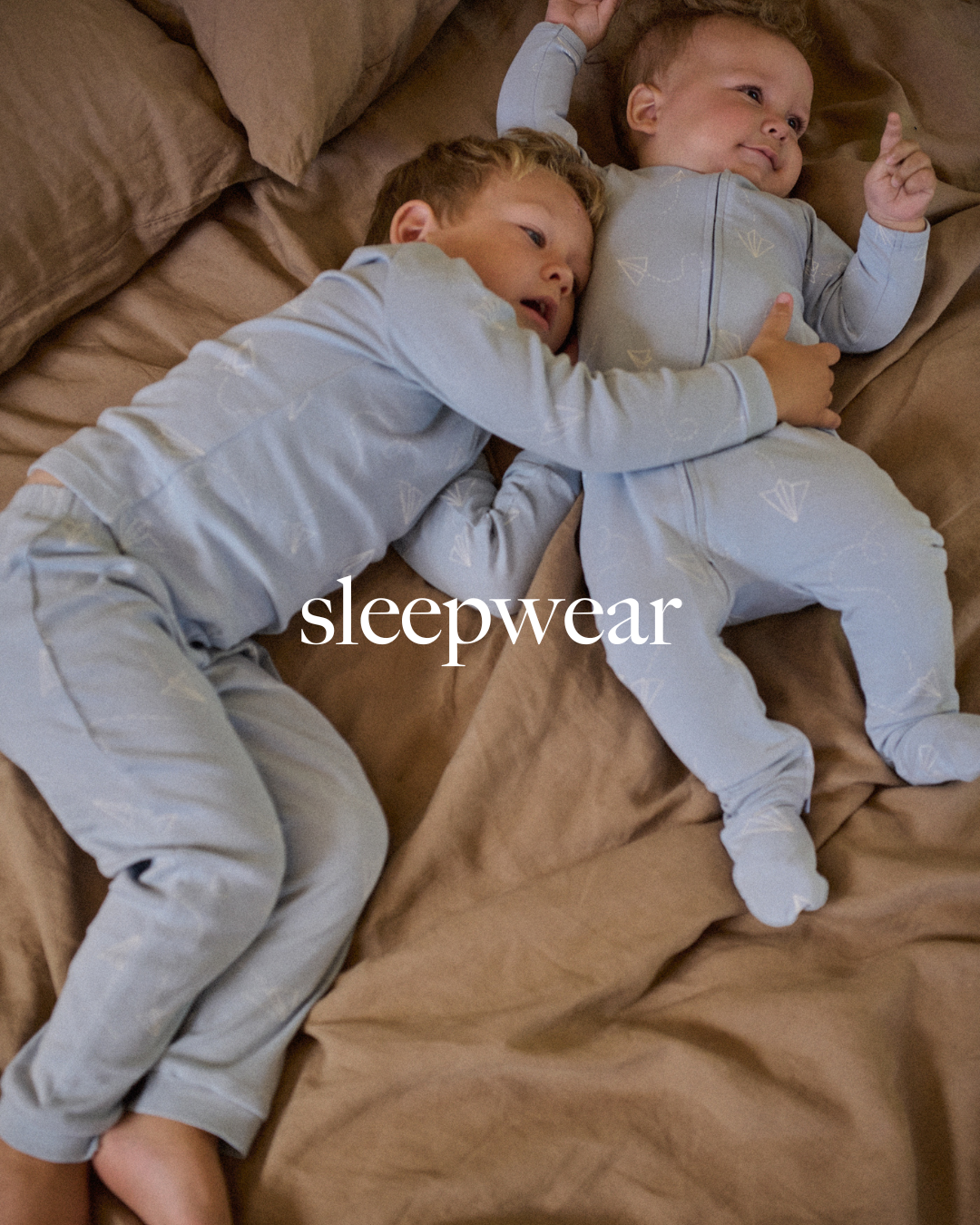
Dressing a baby for sleep is one of those things that sounds simple — until you're standing in the nursery at 11pm genuinely unsure whether they're too hot or just flushed from crying. You are not alone in that. Caylin Dickson from Pepi and Parent helps us to get it right.
Why Temperature Regulation Matters for Babies
Babies can't regulate their own body temperature the way adults can, which means they rely entirely on us to get it right for them. A room that feels slightly cool to you is usually just right for your baby. The general target is around 20°C, though that's not always achievable depending on your home and the season.
The "one more layer than you" rule gets thrown around a lot, and it's a decent starting point — but a sleeping bag with a TOG rating and a proper clothing guide takes most of the guesswork away.
What TOG Actually Means
TOG is simply a measure of warmth. The higher the number, the warmer the bag. Here's a straightforward guide:
| TOG | Room Temp | What to Wear Underneath |
|---|---|---|
| 0.5 TOG | 24°C and above | Nappy only, or a singlet if your baby runs cool |
| 1.0 TOG | 22–24°C | Short-sleeve onesie or short-sleeve pyjamas |
| 2.5 TOG | 20–22°C | Long-sleeve onesie or footed sleepsuit |
| 3.5 TOG | 16–20°C | Long-sleeve onesie or footed sleepsuit, sometimes with an extra layer underneath |
Woolbabe sleeping bags come in Summer weight, 3 Seasons, and Duvet Winter weight, which makes it pretty easy to pick the right one for your climate. The merino-cotton blend is genuinely good at temperature regulation too, so if the room cools down overnight, the bag adapts rather than your baby just getting cold and waking up to let you know about it.
What to Dress Your Baby in Underneath a Sleeping Bag
Use this as your quick reference:
- 24°C+ — Nappy only, or a singlet
- 22–24°C — Short-sleeve cotton onesie
- 20–22°C — Long-sleeve onesie (optional singlet underneath)
- 16–20°C — Long-sleeve onesie or footed sleepsuit + long-sleeve bodysuit. Merino is a great option here — soft, breathable, and warm without being sweaty
- Below 16°C — Footed sleepsuit plus a merino bodysuit and singlet underneath. It's also worth thinking about whether you can take the edge off the room temperature before sleep
A note for contact nappers and co-sleepers
If your baby has spent a lot of time contact napping on you or sleeping close to you, they're used to your body heat as part of their sleep environment. When you start transitioning them to independent sleep in their own space, they can feel the temperature difference quite noticeably, even in a room that would otherwise be fine. If you're making that shift and finding they seem unsettled or are waking more than expected, it's worth trying an extra layer to compensate. It's a small thing but it genuinely makes a difference for a lot of babies.
Once They're in a Sleeping Bag, No Loose Blankets
Worth saying clearly: the sleeping bag is their blanket. You don't need to add anything on top, and you shouldn't. It stays on, it won't cover their face, and there's no version of it going wrong at 2am.
For newborns in a swaddle, the same principle applies — choose a swaddle weight suited to your room temperature, and check the back of their neck regularly.

Caylin Dickson


Leave a comment
This site is protected by hCaptcha and the hCaptcha Privacy Policy and Terms of Service apply.